


Breaking Into Digital Products as Passive Income: A STEM Freelancer’s Guide to Scalable Revenue
Relying solely on client work—especially in the STEM and healthcare sectors—can lead to serious burnout. Your calendar’s packed, your brain’s tired, and every dollar earned comes with a time cost.
That’s where digital products come in.
Creating digital products is one of the smartest ways to build recurring revenue without being stuck in the feast-or-famine cycle of freelancing. It gives you a scalable way to package what you're good at and generate income while you sleep (literally 👀). And no, you don’t need to launch a flashy $2,000 course to make it work.
In this post, we’ll cover:
What Counts as a Digital Product?
Why STEM Professionals Excel with Digital Products
1. You’re already solving complex problems.
2. You’ve built systems without even realizing it.
3. Your brain is wired for structure.
4. You want freedom without gimmicks.
How to Find & Validate a Digital Product Idea
How Digital Products Become Ecosystems
Digital Product Pricing Strategies
The #1 Mindset Block with Digital Products
3 Common Mistakes to Avoid When Creating Digital Products
1. Creating without a clear transformation.
2. Trying to make it “look fancy” before it’s useful.
3. Waiting for a huge audience.
How to Sell Digital Products Without Feeling Salesy
Platforms to Host and Sell Your Digital Products
Beginner-Friendly Options (Quick + Easy to Set Up)
Intermediate to Advanced Platforms (For Growth + Automation)
What Counts as a Digital Product?
A digital product is basically an asset you create once and sell over and over again. There's no physical inventory, shipping, or live delivery required.
Examples include:
PDF guides or eBooks
Mini-courses or workshops
Templates and swipe files
Workbooks or journals
Dashboards (Notion, Airtable, Google Sheets, etc.)
Video trainings or screen recordings
Pre-written email sequences
Toolkits and bundles
Downloadable planners or trackers
Being asynchronous in nature, people can buy and use them without you having to physically show up to deliver. That’s the magic of true passive income. You can be helping people 24/7.
Why STEM Professionals Excel with Digital Products
Freelancers, consultants, and experts in STEM excel at developing digital products because:
1. You’re already solving complex problems.
Your zone of genius lies in breaking down technical processes, interpreting data, or solving research challenges. If no one else has told you yet, those are valuable skills people are willing to pay you for.
2. You’ve built systems without even realizing it.
Whether it’s onboarding clients, analyzing clinical trial data, writing regulatory briefs, or organizing your research... you have likely been trained to create repeatable processes. And repeatable systems can be monetized as intellectual property.
3. Your brain is wired for structure.
The fact that you thrive with logic, flow, and results makes creating products that deliver clear, practical outcomes seem fun and easy.
4. You want freedom without gimmicks.
Digital products help you create assets that work behind the scenes while you stay in your zone of expertise. You can run your business without learning how to dance on TikTok.
How to Find & Validate a Digital Product Idea
To find WHAT to sell, ask yourself:
What’s something I explain or do over and over again for clients?
What do people in my DMs, consult calls, or LinkedIn comments always ask about?
What part of my work feels easy to me but seems confusing to others?
You might already have the makings of a product inside:
A checklist you use to prep client deliverables
An intake form or onboarding questionnaire
A framework for writing regulatory summaries
A pitch deck that's gotten you contracts
A pricing calculator you built for internal use
A Notion dashboard for tracking billable hours or income
Validation Step: Before creating the whole thing, float the idea to your audience. Try a poll on Instagram, a “would you use this?” LinkedIn post, or ask a few past clients what they’d pay to get this resource in their hands. Who knows, maybe you'll get an answer like this:

How Digital Products Become Ecosystems
If you’ve already spent hours creating frameworks, workflows, templates, or explanations for clients, you’re sitting on valuable intellectual property even if you’re no longer selling it as standalone digital products.
Instead of packaging everything into PDFs or one-off downloads, you can also house that knowledge inside a community-based ecosystem, like a Skool group, that focuses on learning, discussion, and implementation.
Inside a Skool-style community, your existing work can become:
Short lessons or posts that explain how you think
Comment threads where members ask follow-up questions
Live calls or replays that deepen understanding
Ongoing resources that evolve as members apply them
For example, if you’ve developed a repeatable process for writing white papers, abstracts, or regulatory content, you don’t need to sell that as a static product. You can walk members through the thinking, structure, and decision-making inside your community and let the conversations shape what gets taught next.
This approach does two powerful things at once:
It reduces pressure to constantly create and launch new products
It positions you as a guide and thought leader, not just a content creator
Great ideas compound faster when they’re shared, discussed, and applied inside a community.
Digital Product Pricing Strategies
Pricing strategies for digital products remain controversial. Some coaches swear by selling fewer high-ticket workshops/events/spaces, whereas others advocate for selling lower ticket items at scale (often with ads). When establishing the price of your digital product, consider the following:
If your template saves a client 3 hours of decision-making, that’s worth at least $67–$297.
If your bundle helps a freelancer land a $5,000 contract, you can charge over $147.
If your system reduces overwhelm and saves a week of trial-and-error? That’s probably worth a few thousand dollars.
Aim for a $47–$147 sweet spot to start, unless your product is very niche or advanced.
The #1 Mindset Block with Digital Products
The top mindset block I see in freelancers who could be benefitting from digital products is that they don't feel ready. This limiting belief can show up in several forms:
“I need to get more experience before I sell something.”
“I don’t want to look like I’m cash-grabbing.”
“I’m not a designer or a tech person.”
Here’s your permission slip: Done is better than perfect. Start with a minimum viable version of your product—a quick PDF, a loom-recorded video, a 5-page swipe file—and build from there. Every product you create is a business asset. You can bundle, upsell, or reuse it again and again.
Related: Starting a Membership When You Don’t Feel Ready: My Step-by-Step Story
3 Common Mistakes to Avoid When Creating Digital Products
1. Creating without a clear transformation.
Every product should answer:What will this help them do faster, easier, or better?
2. Trying to make it “look fancy” before it’s useful.
A clean and straightforward Google Doc that delivers results beats a long-winded workbook that doesn't help anyone.
3. Waiting for a huge audience.
You only need a few buyers to validate an idea. Some of your best digital products will come from solving one person’s problem well. And remember, that person can also be you a couple years ago! What is something you wish would have been around to support your younger self? Chances are there are people who need that exact same thing now.
How to Sell Digital Products Without Feeling Salesy
You don’t need an aggressive funnel or 100 DMs a day. Try these instead:
Add it to your website store or resources page
Mention it at the end of a blog post or YouTube video
Create 1–3 Instagram Reels that show the product’s value
Feature it in your email newsletter as a quick win
Pin a post to your LinkedIn profile
Bundle it with your consult calls or strategy sessions
Over time, these small actions create compounding visibility and passive income.
Digital products won’t make you a millionaire overnight... but they will:
Add a stream of recurring income
Warm up cold leads
Establish your authority
Reduce the pressure to book every single hour
Build trust with future clients
Help you scale without more screen time
And that’s the foundation of a scalable business rooted in freedom.
Platforms to Host and Sell Your Digital Products
Once your product is ready, the next question is: Where should I actually sell it? The answer depends on your business goals, technical comfort, and how much you want to automate. Here’s a breakdown of beginner-friendly and advanced platforms:
Beginner-Friendly Options (Quick + Easy to Set Up)
Gumroad
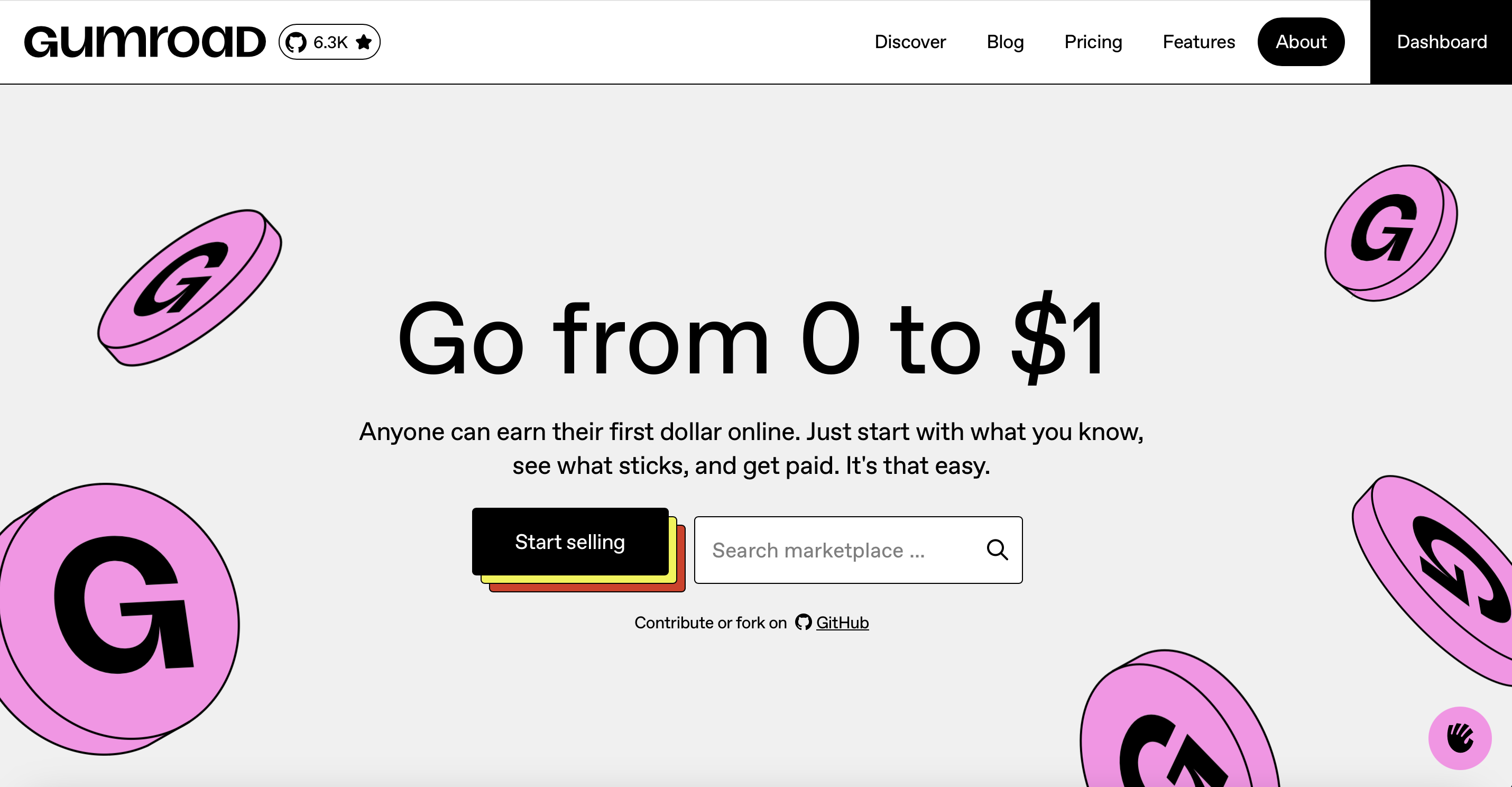
Great for selling PDFs, templates, or short videos
Pros: No upfront cost, very low-tech
Cons: Limited branding, not ideal for scaling
Perfect if you’re testing your first product or want a simple “Buy now” button today
Stan Store
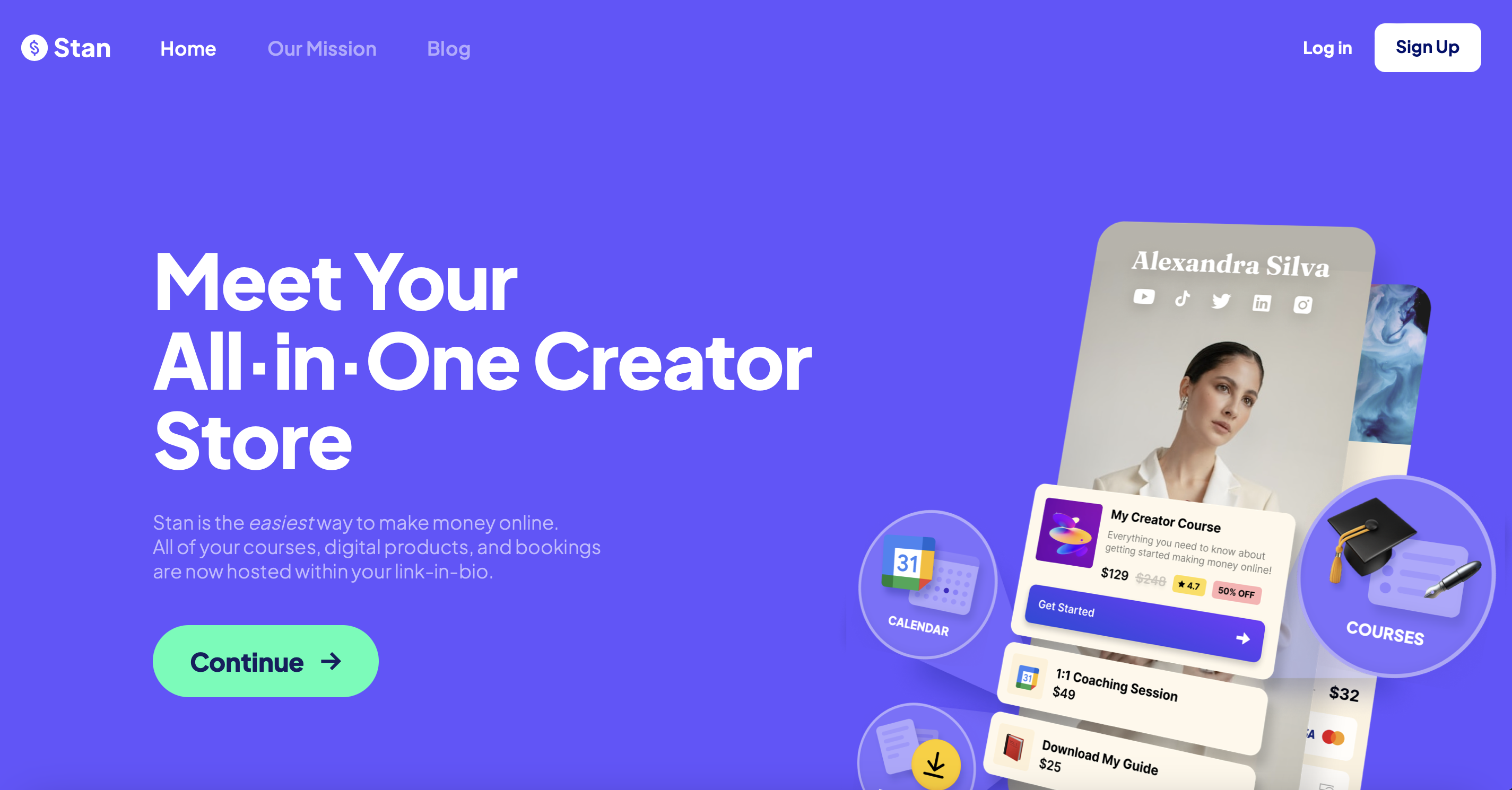
Great for creators already active on social media
Pros: Easy to embed in bios, digital delivery built-in
Cons: Limited customization for long-term growth
Etsy
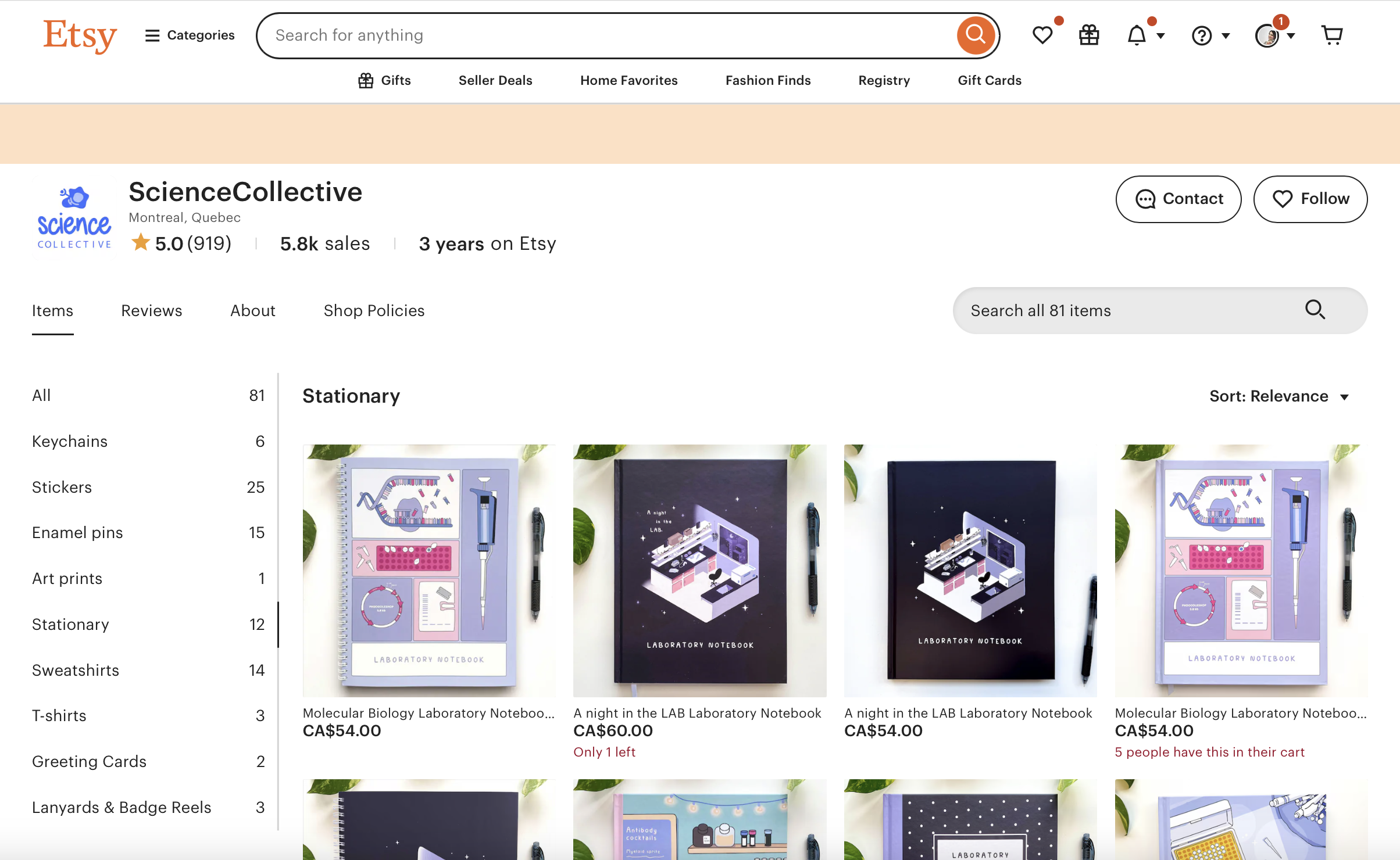
Great for printables, planners, scientific notebooks, templates
Pros: Built-in search traffic
Cons: You’re competing on a marketplace
Intermediate to Advanced Platforms (For Growth + Automation)
Kajabi
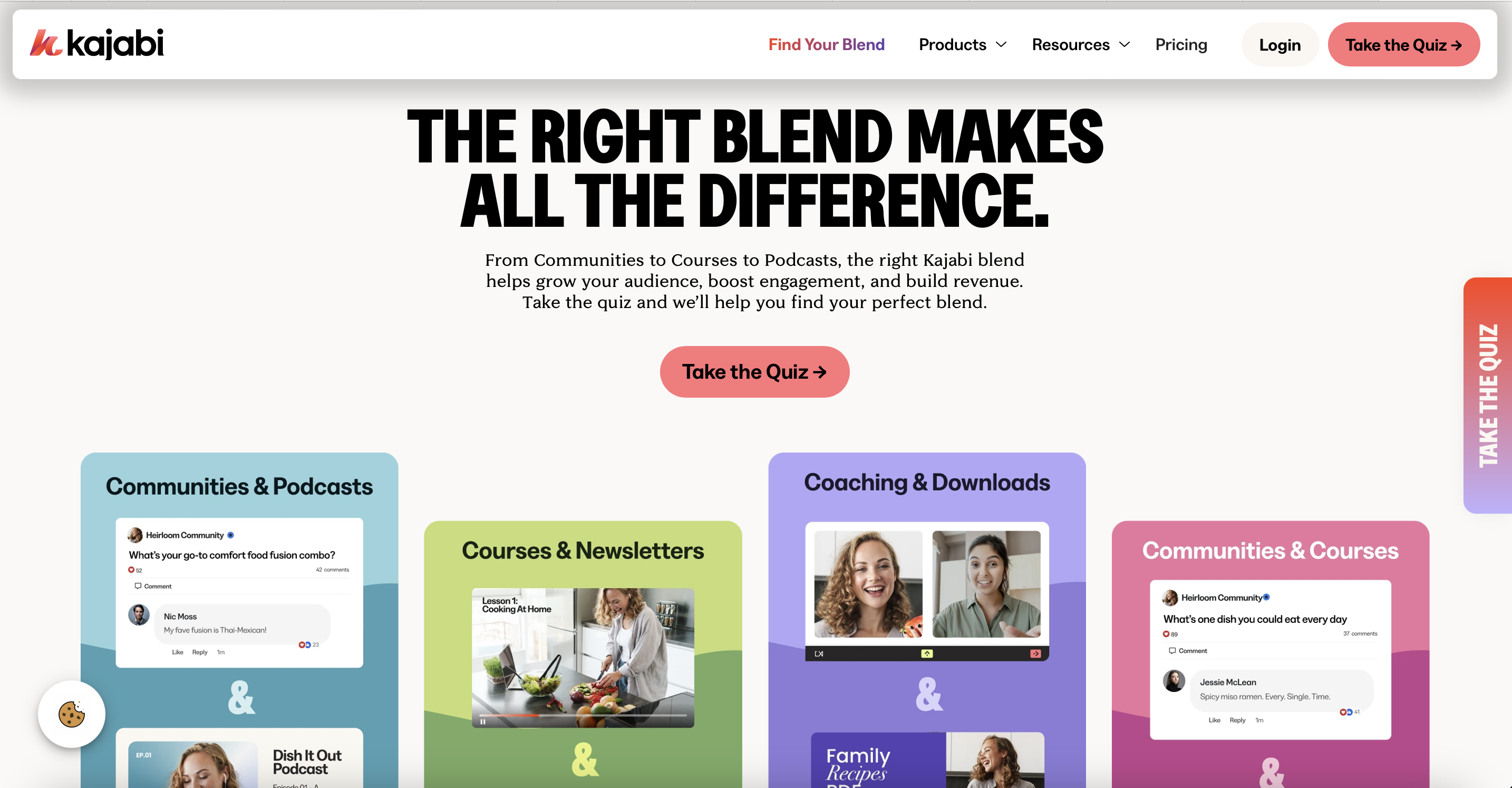
Great for courses, bundles, landing pages, and evergreen offers
Pros: All-in-one platform (website, email marketing, checkout, content delivery, membership)
Cons: Higher monthly investment
Perfect if you want to scale your business and look premium from day one
Podia / Teachable / ThriveCart Learn
Great for mini-courses, workshops, digital bundles
Pros: Easy to set up, more flexibility with branding
Cons: May require additional tools for email and landing pages
Airtable / Google Drive + Stripe combo
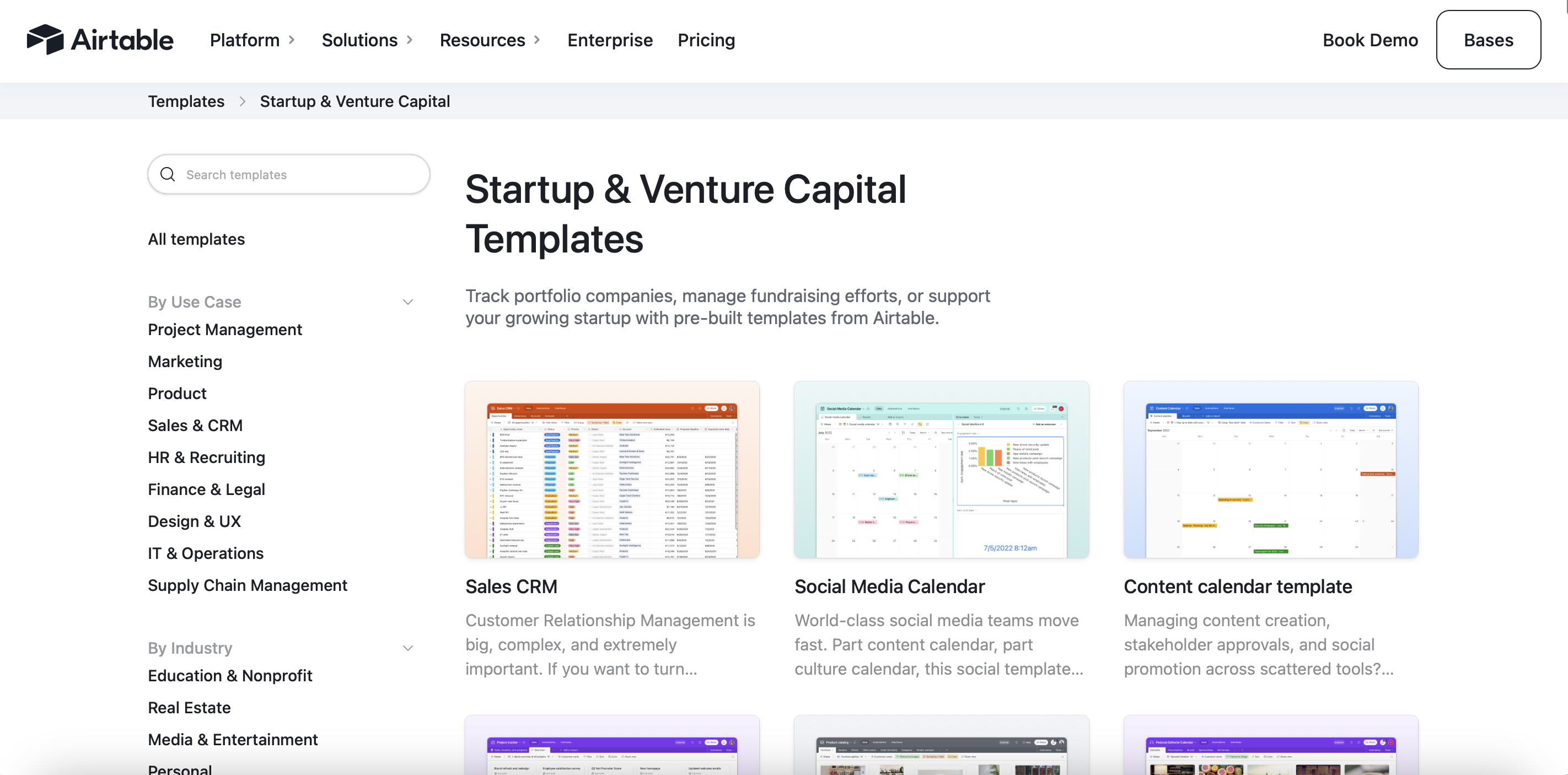
Great for selling templates, trackers, or dashboards
Pros: DIY, low cost
Cons: Manual setup, harder to scale
If your long-term goal is community, mentorship, or recurring support, choose platforms that make it easy to evolve from a single product into an ongoing ecosystem (memberships, cohorts, or groups).